
Remediate Your Soil with Wood Chips
By Dr. K (Craig M. Kolodge, PhD)
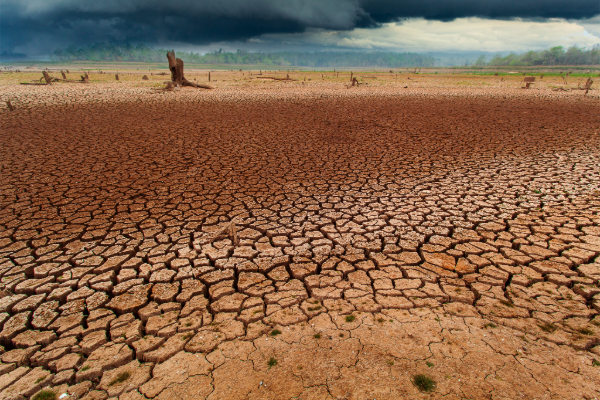
Compacted And Degraded Soil Can’t Support Life
Depleted soil is missing some critical components:
* Air pockets – Soil cannot support plant life if it doesn’t have a way to get oxygen for aerobic respiration.
* Decaying plant matter – Plant matter improves soil tilth and provides food for microbes and plants as it decays.
* Life – Microbes and earthworms cannot live in exhausted soil that has no food for them to survive.
* Nutrients – Microorganisms provide additional nutrients to plants as they break down decaying plant matter.
Do you need to remediate your soil and you are not sure where to start? If you would like to learn how to fix it, continue reading.
What is an easy way to bring soil back to life?
A blanket of woodchips or mulch can introduce carbon back into the soil and can help rebuild it overtime with little effort. Woodchips can also facilitate the remediation process by helping to remove toxins and soil salinity naturally.
Covering bare soil with woodchips helps to protect the soil from heat and cold while retaining valuable moisture in the soil. As the woodchips break down, they introduce nutrients to improve the soil slowly without pulling nitrogen from it. This encourages microbes and worms to move back into the soil and they create pockets of air that will break up compacted soil and provide nutrients to support plant life.
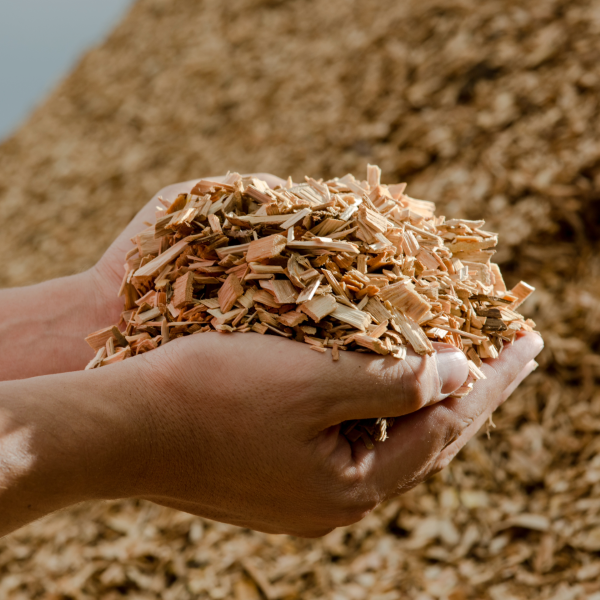
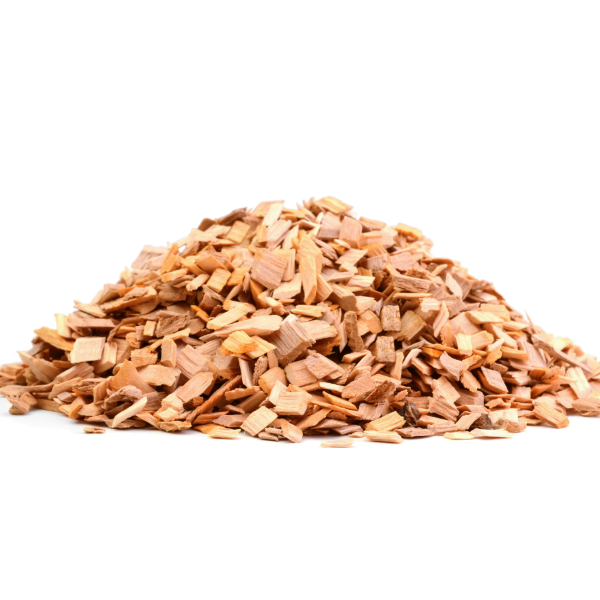
What type of woodchips should you use?
Woodchips can be used on their own or blended with compost to speed up the process. You can also use compost on its own to feed and improve your soil. A simple 2″ to 4″ layer of wood chips, mulch or compost is all you need to layer over your bare soil in order to start improving it.
When your soil is ready to add plants, consider your options for adding supplemental nitrogen to further support plant life without robbing the soil of this valuable nutrient. Feel free to contact us for help with this.
Learn more about restoring soil using woodchips
Read the article, “Soil Remediation: Restoring Soil With Woodchip”, by Ben Raskin of NM Healthy Soil Working Group for more information on restoring your soil. They discuss wood chips “super power”, bioremediation, compacted soil, erosion and the climates impact on soil. Click the button below to read the article.
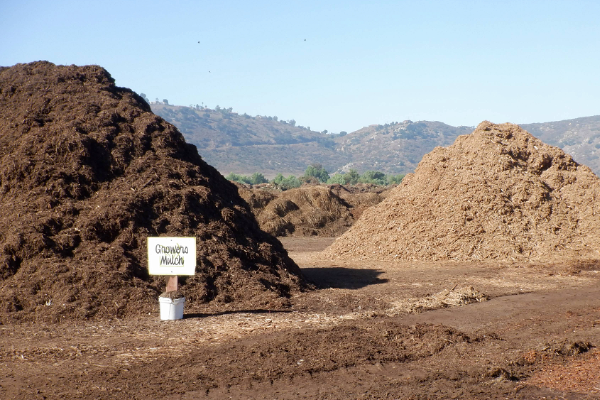
SPVS Products to Restore your Soil
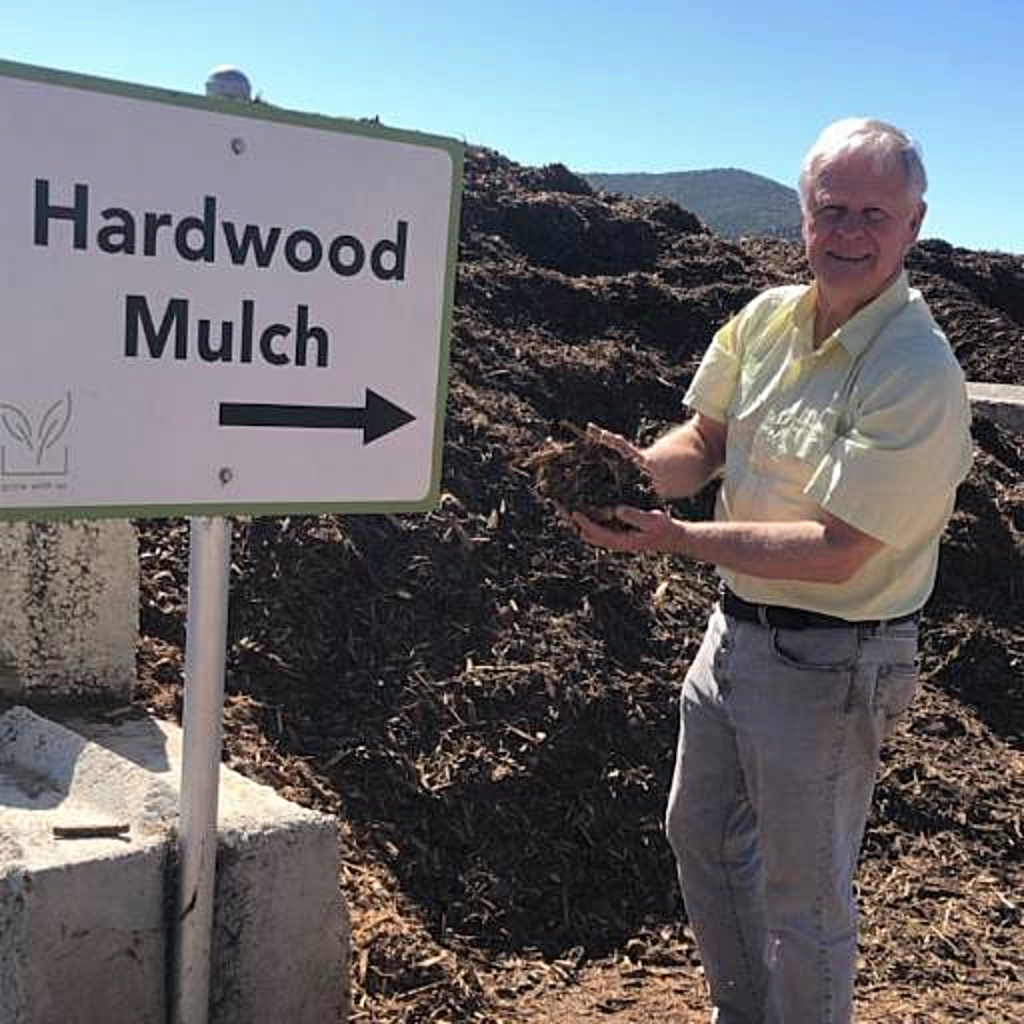
All of our in-house produced mulches, both composted and non-composted, are excellent resources for increasing the carbon content of poor soils. Our hardwood mulches are rich in carbon and are ideally suited for degraded soil restoration.
Our non-composted hardwood mulches can be especially effective at restoring soil due to their high carbon content. This is good to use around trees and woody shrubs that prefer fungal dominant soil (i.e. high carbon) and have a lower nitrogen demand. Pay close attention to the possible need to supplement with nitrogen to address the nitrogen drawdown that can impact the growth of some plants when using hardwood. Choose from Hardwood Mulch, Mini Hardwood Mulch, and Nature’s Fines.
Our composted mulches contain additional nutrients introduced by the composting process. They are also great for restoring soil and I would recommend them when you are growing a mix of perennial and annual plants. Choose from California Native Mulch®, Grower’s Mulch, and Monkey Hair Mulch®.
You can also use one of our fine compost products as a mulch over bare soil if you would like even more nutrients. Compost is a biologically rich superfood for plants and microorganisms. Choose from Planter’s Blend Compost, Nitro-Blend Compost, or Valley’s Best Compost®.
You will be amazed to see how easy it is to rejuvenate your soil using something as simple as a layer of mulch!
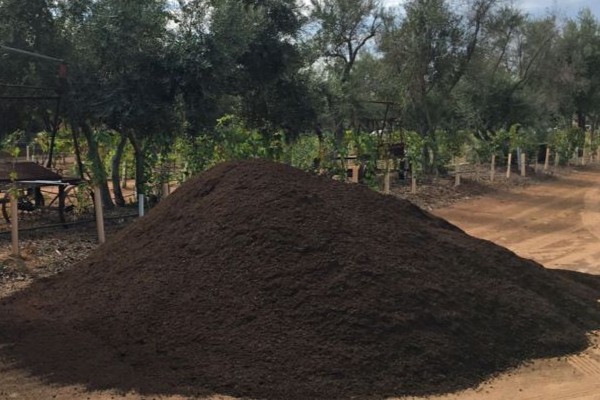
Wood chips, mulch, and compost are nature’s way of rebuilding the soil. These workhorses are capable of improving your soil, impeding weeds, preventing erosion, retaining moisture, and nurturing life on microbial and cellular levels! Compost and mulch products improve everything they touch.
You can’t go wrong using our composted mulches for soil restoration in any situation whether you are currently growing plants or not. When in doubt, go with composted products for an extra margin of safety and lower risk of weeds and potential pest problems that can occasionally be associated with non-composted woody feedstock (when they are not derived from clean stock)*.
Start using them and watch your world blossom. Let us know if you have any questions or if you need help deciding the best option for improving your soil.
*SPVS non-composted wood mulch feedstock is derived from clean sources and therefore has been consistently weed-free.